Thursday, September 3, 2015

Choosing the Best Blu-Ray Player Brand for Your Home Theatre Setup

Choosing the Best Blu-Ray Player Brand
When it comes to the latest technology in home theatre, getting the best display and the best home audio system experience is often down to the format in which you’re favourite films or music is played on. There are numerous different high-end formats that have come and gone in recent years, but the one winner is here to stay is Blu-Ray. Here are some tips for selecting the best Blu-Ray player for your requirements

Keep Your Budget In Mind!


Budget
Budget Blu-Ray players can be picked up for hardly anything these days, but like many other electronics, they pale in comparison to their more expensive counterparts in terms of quality of build, playback and overall features. By choosing one of the big brands in consumer electronics, you will be able to benefit from the wealth of technology that has gone into each unit, and benefit from the different software systems each brand uses.

The best Blu-Ray player brands in recent years have been Sony, Samsung, LG, Panasonic and Toshiba, so let’s take a look at some of their models to get an idea of what the best Blu-Ray player is for your money.

Sony Blu-Ray Players


Sony Blu-Ray Players
Having been part of the original founders of the Blu-Ray consortium, Sony has often led the way in Blu-Ray technology. Having released a number of Blu-Ray drives to the public, the first real mass take-up of the format was thanks to the release of the Sony PlayStation 3, which included a Blu-Ray drive. Even enthusiasts still say that the Blu-Ray drive and functions contained within the PS3 are a fantastically cheap way to get into enjoying HD movies.

The PlayStation 4 is also a great Blu-Ray player, and includes all of the latest features and functions for added internet connectivity and interactivity during the playback of the movies. Output in 1080p with a multitude of settings for your television such as true blacks, 24fps playback, not to mention most powerful gaming console currently available - it certainly packs a punch!

Samsung Blu-Ray Players


Samsung Blu-Ray Players
Samsung has progressed in leaps and bounds as a technology company in recent years, known for its stunning mobile phones and television sets, they make some of the finest performing Blu-Ray players on the market. The Samsung BD-H6500 is one of the stand-out players on the market at the moment that is feature packed and ready for any home theatre installation.

Featuring 3D playback, UDH upscaling (for 4K televisions) Samsung’s online SmartHub portal, file streaming from your home network, screen mirroring and WIFI connection, the menu systems and onscreen presentation are fast, smooth and beautiful. With access to over 50 apps including YouTube, Twitter, Facebook and internet radio, you’ll be awash with entertainment even if your Blu-Ray collection is running thin.

LG Blu-Ray Players


LG Blu-Ray Players
Like Samsung, LG have taken advantage of their designs for their televisions and mobile phones and have implemented them into their mid-priced Blu-Ray players that have proven popular with home theatre enthusiasts. The LG BP645 Blu-Ray player is another outstanding player that offers the best picture quality for your money in this price range.

Featuring 3D playback, DVD and CD playback, built-in WIFI, media streaming and screen mirroring, it includes many of the features of higher priced Blu-Ray players for those on a tighter budget. The design of the box itself is an improvement over recent devices, and stands out as a stylish, classic device that will look good underneath any television of any size.
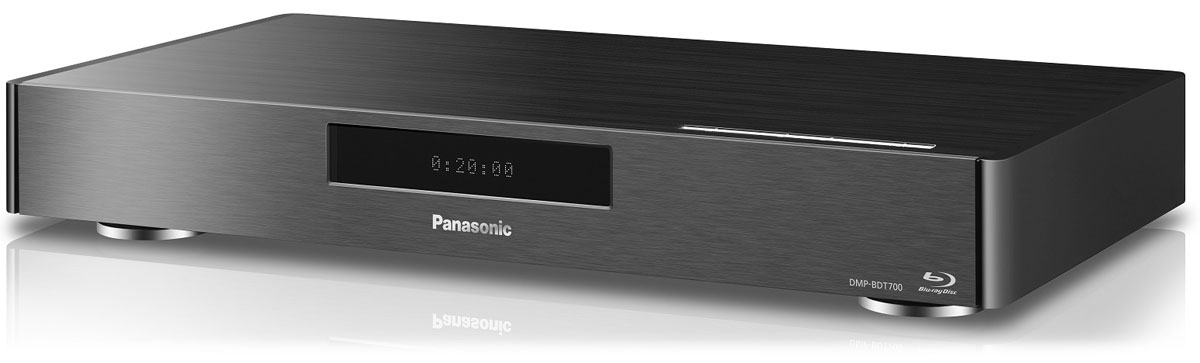
Panasonic Blu-Ray player
Other Blu-Ray players of note the Panasonic DMP-BDT700 at the top-end of the average price range, and the Toshiba BDX2550 which is a truly affordable Blu-Ray player for your home theatre. Choose a player according to your budget, and don’t forget about an Ethernet or WIFI options to allow you to connect to online services to increase your entertainment at a lower price!
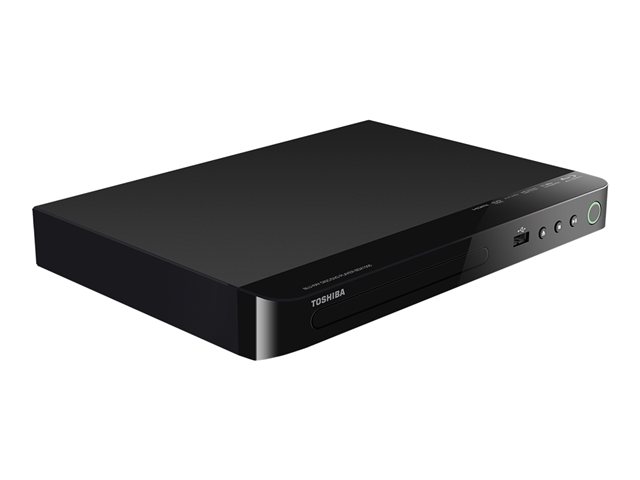
Toshiba Blu-Ray player
If you’re looking for someone to help you with your Blu-Ray player, give us a call today. We offer a full range of services for home theatre installation on the sunshine coast and can help you set up and integrate your new Blu-Ray player into your existing home theatre arrangement.

Friday, August 21, 2015

Create the Best Home Cinema Setup for a Small Room

small home theatre

For those cinema buffs out there, the idea of creating your very own home theatre is stuff of dreams – but thanks to lower prices and more advanced technology, those dreams can come true no matter your budget! Whilst a cinema has its advantages of having a huge screen and massive audio capabilities, a smaller home cinema is the perfect, cosy environment to enjoy your movies with a more personal touch.

There are many different home theatre ideas for small rooms out there, so it doesn’t matter if you have a tiny roof space, a spare room or even a bedroom conversion to find the best equipment for. For the ideal small room home theatre setup, you will only need a few pieces of important equipment to get you started.

Choosing the Right Screen


Choosing the Right Screen

The main piece of equipment is the screen itself. There are many different technologies that go into making screens, and each comes with a list of advantages and benefits over the others such as picture quality as well as the price – but there is something for everyone. For smaller rooms, wall-hanging a television is the best way to go. It allows you to get the perfect viewing angle, as well as saving some space for furniture.

Wall mounting a television can be done simply by purchasing a special TV mount that fits your TV, and drilling a few holes in a wall to mount it. You can do this yourself, or have it done professionally by television antenna installers.

Wall-Mounting Saves Space


home theatre projector

An alternative to wall mounting a television is to remove the television from the equation all-together. Choose an HD video projector to give you a large theatre-like experience and mount the projector from the opposing wall or a ceiling for the ultimate in small home theatre room ideas.

Projectors offer you the chance to mount them on an opposing wall, allowing you to hide your audio amplifiers, television decoders, DVD players and game consoles out of the way, giving you an unimpeded wall to enjoy your entertainment with a huge potential for viewing angles.

After you have chosen your screen or projector for your home theatre setup for a small room, the next stop is the audio system. Many home theatres employ surround sound setups to give them the best immersive audio features, and whilst you may not have the room (or the budget) for a 24 speaker cinema-spec audio system, you can always scale down the size without hindering on audio quality.

Go Surround Sound on a Budget


speaker mount

Many people start out with a basic 2.1 system containing two stereo speakers and a subwoofer – this is great for bedroom setups and small living room areas, but for a truly immersive cinema experience you will want to stop for no less than 5.1 or 7.1 systems. These surround sound systems vary in price depending on the quality of the speakers and the audio decoder/DVD player at hand, but generally include 6 or 8 speakers for placement around the room.

You can always wall-mount your satellite speakers in a surround sound system to help save on space, and choose a set of large front speakers to give you the power needed to enjoy your movies at their finest. A subwoofer can even be hidden in a small sofa to give you truly seat-trembling bass!

popcorn machine & lazyboy

A small home theatre setup doesn’t have to cost you thousands of dollars to start with. So invest in the items you truly need before spending that little bit extra on the gadgets and gizmos. Building the perfect home theatre system can be done over a few weekends, so spread the costs over time to build up your home movie system.

Once you have got the screen or projector, the audio system and the decoders, games consoles and DVDs to enjoy, then you can look into mood lighting, intelligent remote controls, luxury lazyboy chairs and a popcorn machine to give you into the true movie-goer experience!

Wednesday, July 8, 2015

Movie Sound Technology Imbedded In Your Home Theatre Set Up

Sound Technology
For any movie buff out there, the thrills and the spills of the latest Hollywood blockbuster film is enough to keep you on the edge of your seat. But the technology behind what makes the sights and the sounds of an unforgettable movie theatre experience has been slowly moving out of the movie theatres and into homes. Let’s take a look at some of the best movie sound technology that has made the leap into home theatre set ups that anyone can now enjoy.

Imax
For many years, the idea that you would be able to replicate a cinema in your home would have been an unattainable dream, but thanks to some of the most innovative products, equipment and entertainment manufacturers out there, it is now possible to create a home theatre system that can beat any cinema experience shy of a full-size IMAX theatre.

Multiple Speaker Systems 


Multiple Speaker Systems

Theatres have used multiple speaker systems to bring you thundering bass, shimmering highs and cutting mid-tones to theatre audiences around the world, and by doing this set in motion a few different standards by which many cinemas still rely on.

One of the biggest known theatre audio standards these days is Dolby Digital, which was created by the Dolby organisation to help introduce a standard of theatre audio across the board, to help directors give their full theatre experience as it was intended to theatre-goers no matter which cinema you went to.

Dolby Digital Standards


Dolby Digital Standards
Dolby Digital is the name given to the compression technology that the Dolby created to allow multiple audio channels to be fed to specific speakers in order to replicate how a movie was recorded and follows what is being done or said on screen.

Dolby Digital and Dolby Surround EX, the cinema version of its surround sound system is now used in many home theatre systems, Blu-ray players and other digital devices to bring a greater bitrate of audio. It was first used in conjunction with Lucas film THX to make up the audio on the modern Star Wars Episode I: The Phantom Menace, and was later used to re-encode the re-mastered Star Wars Blu-Ray.

The THX Standard Experience

The THX Standard Experience
THX is another theatre-grade audio specialist that licenses some of its technology to be used in consumer-grade equipment such as televisions, home cinema speakers and amplifiers. THX became popular through its innovative designs as well as its own compression techniques that rely on different codecs than used with Dolby Digital.

THX now has its badge on hundreds of different home theatre systems which allows anyone who watches a THX encoded film at home to enjoy it exactly how it sounded at the cinema, provided you have the correct multiple-speaker surround sound setup that is compatible with THX.

THX is seen as a quality-assurance system that allows consumers to purchase home cinema systems that will be compatible with certain standards of audio quality, speaker arrangements and amplifier settings needed to watch and enjoy a high quality audio experience.

THX standard goes much further to display whether a DVD or speaker setup is compatible, for the THX certification in theatres, each cinema needs to have a specifically designed theatre, with things like floorboards, audio muting, soundproofing, echo, wash and even building materials taken into account to provide the perfect setting to replicate the original soundtrack.

DTS – Digital Theatre System

DTS – Digital Theatre System
DTS is another cinema audio system that is similar to Dolby Digital, it is an audio compression standard that allows cinemas, consumers and equipment to meet the standards necessary to playback media in the way the director intended.

DTS, or Digital Theatre System has had a range of different standards, ranging from 2.1 audio right up to 8.1, 10.2 and bigger speaker arrangements. Many people use its DTS 5.1 system in their surround sound amplifier and speaker distribution amp as it is one of the most popular standards to date.

DTS have launched DTS-HD Master Audio which allows for a nearly infinite number of discreet speaker channels to be added to a mix and is now making that standard in custom theatres around the world.

The Future Is Bright for Home Theatre


the future is bright
These standards, whilst tested at the latest theatres, always make it to the home theatre after a few years. By the time they reach our homes, the systems have been specially redesigned for home theatres so we can have the same kind of sound at home.

It’s important to note that the more speakers you add to your system doesn’t equate to the better quality, but if you use one of these three popular standards when purchasing your home theatre audio equipment, you really can’t go wrong!

Add Your Comment